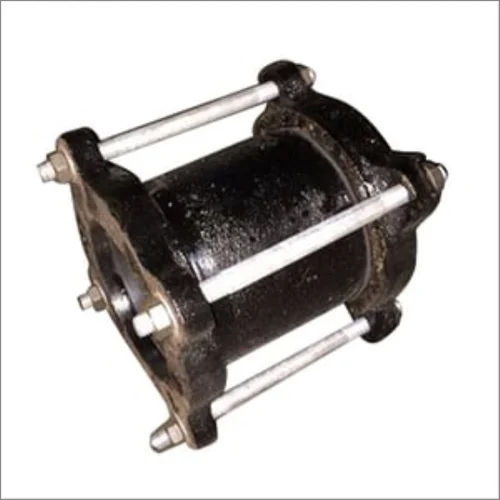
CI Mechanical Adapter also known as Cast Iron Mechanical Adapter, is a type of pipe fitting used to connect pipes of different materials or sizes in a pipeline system. The adapter is made from cast iron material and has a mechanical joint on one end that allows for easy connection to a pipe, and a flanged end on the other that can be bolted to a valve or other pipe fitting. CI Mechanical Adapters are designed to provide a tight and secure connection between pipes and other components of a pipeline system while allowing for some flexibility and movement.
Specification ofCI Mechanical Adapter
| Size | 80 MM TO 1200 MM |
| Material | C.I and D.I |
| Connection Type | Male and Female |
| Usage/Application | Water and sewage |
| Thickness | 20 mm Minimum |
| Length | 200 to 500 mm |
| Color | Black and blue |
| Shape | Round |
| Series | n,a |
| Country of Origin | Made in India |
Engineered for Industrial ReliabilityCI Mechanical Adapter is meticulously designed to provide secure and durable pipeline connections in demanding industrial environments. Its titanium construction and high corrosion resistance ensure longevity even under extreme conditions, while the leak-proof feature protects against fluid loss and contamination.
Versatile Application and Easy InstallationSuitable for connecting pipelines carrying water or gas, this adapter fits seamlessly into various industrial setups. The bolt-on installation method, together with threaded flanges and square head code, ensures quick, hassle-free mounting, minimizing downtime during maintenance or assembly.
FAQs of CI Mechanical Adapter:
Q: How do I install the CI Mechanical Adapter securely to my pipeline?
A: Installation of the CI Mechanical Adapter is straightforward, thanks to its bolt-on design and flanged connections. Ensure the mating surfaces align, then secure the adapter using appropriate bolts to achieve a leak-proof setup. Threaded flanges allow for tight and stable integration with existing pipelines.
Q: What benefits does the titanium material provide for this adapter?
A: Titanium offers exceptional corrosion resistance, lightweight strength, and durability. This ensures the CI Mechanical Adapter maintains performance in harsh industrial conditions, increasing product lifespan and reducing long-term maintenance costs.
Q: When should I use this adapter in my pipeline system?
A: This mechanical adapter is ideal for use whenever a reliable, leak-proof connection is needed in water or gas industrial pipelines, especially under conditions requiring high corrosion resistance and temperatures between -20C and 200C.
Q: Where can the CI Mechanical Adapter be applied?
A: The adapter is suitable for industrial environments across India, particularly in facilities handling water or gas. It integrates seamlessly with pipelines conforming to ANSI standards, supporting various industrial processes and infrastructure projects.
Q: What is the process for maintaining the CI Mechanical Adapter?
A: Routine inspection is recommended to check for signs of wear or leaks. Given its titanium build and painted surface, only periodic cleaning and bolt re-tightening are generally required, making maintenance simple and efficient.
Q: How does the leak-proof feature benefit my operations?
A: The leak-proof construction prevents unwanted fluid or gas loss, safeguarding both operational efficiency and environmental safety. This reduces the risk of costly downtime or product loss in industrial settings.


 Our Products
 GST No.09BNYPK0500P1ZF