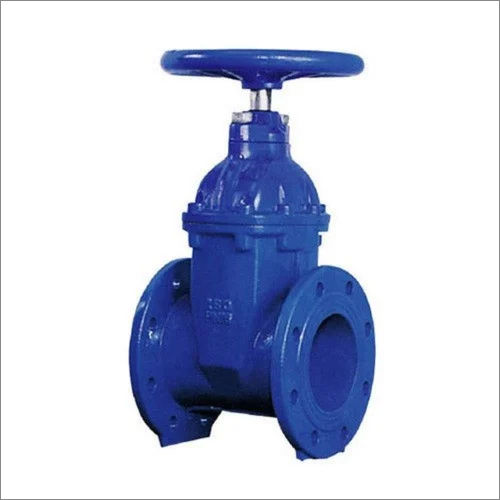
Cast Iron Sluice Valve is a type of valve used to control the flow of water or other fluids in a pipeline or other fluid control system. The valve is made from cast iron material and is designed to provide a tight seal to prevent leaks or seepage. These are known for their strength, durability, and resistance to corrosion. Cast Iron Sluice Valves are available in a range of sizes and configurations to suit different applications and flow rates.
Specification ofCast Iron Sluice Valve
| Size | 80 TO 1500 MM |
| Brand | ISI |
| End Connection Type | Flanged and Plain end |
| Pressure | High |
| Color | Black and Blue |
| Automation Grade | Semi-Automatic |
| Temperature | 70 Deg C |
| Surface Finishing | Coated |
| Features | Bright |
| Usage/Application | Water and sewage |
Reliable Performance for Utility SystemsThis Cast Iron Sluice Valve is constructed to meet demanding industrial needs, ensuring seamless flow control in water, gas, and sewage pipelines. Its flanged structure, rising stem mechanism, and manual operation make it highly suitable for critical infrastructure projects, delivering reliability and longevity.
Standards-Compliant and Durable DesignConforming to IS: 14846, the valve undergoes stringent testing with a body test pressure of 2.4 MPa and a seat test pressure of 1.76 MPa. The use of cast iron and ductile iron enhances its structural integrity, while the polished blue surface offers additional protection against wear and corrosion.
FAQs of Cast Iron Sluice Valve:
Q: How is the Cast Iron Sluice Valve installed?
A: The valve features flanged ends, allowing it to be easily connected to compatible piping systems using bolts and gaskets, ensuring a leak-proof and secure installation.
Q: What media can this valve be used for?
A: This sluice valve is suitable for controlling the flow of water, gas, and sewage, making it versatile for municipal, industrial, and utility applications.
Q: When should I choose a rising stem valve?
A: A rising stem valve is ideal when visual confirmation of the valves open or closed position is needed, which enhances operational safety and control, particularly in utility management.
Q: Where is this valve commonly applied?
A: It is widely used in water supply systems, gas pipelines, sewage treatment plants, and other fluid management infrastructure across India.
Q: What is the process for operating the valve?
A: Operation is manual; simply rotate the cast iron handwheel to raise or lower the stem, which in turn opens or closes the valve to regulate flow.
Q: How does the valve benefit my system?
A: The robust construction ensures reliable medium-pressure control, corrosion resistance, and minimizes maintenance, contributing to a longer service life and improved system integrity.


 Our Products
 GST No.09BNYPK0500P1ZF